
How to Choose a Traditional Seaside Resort for Families
Choosing a seaside resort for a family holiday is less about the glossy photo than the small practicalities: how far you must carry a sleeping toddler, whether the beach vanishes at high tide, and what happens when it rains for two days straight. Get those right and a traditional resort becomes a restorative break rather than a logistical exercise.
Sand, shingle and the shape of the bay
Beach material is the first thing to check, because it dictates what you can do all day. Fine sand suits toddlers best: bucket-and-spade territory, kind to bare feet and easy to shake off a towel. Shingle and pebbles are harder on small knees but often come with clearer water and superb rock pools, which keep children of six and up happily occupied. Mixed beaches give you both.
Then look at gradient and tides. A gently shelving bay means shallow water a long way out — ideal for paddling, though the sea can be a fair walk from the promenade at low tide. Steeper beaches deepen quickly, so younger swimmers need close supervision. Check the tidal range, too: in some estuaries the sea retreats hundreds of metres. Where children will be in the water, choose a beach with seasonal lifeguard cover.
The promenade test
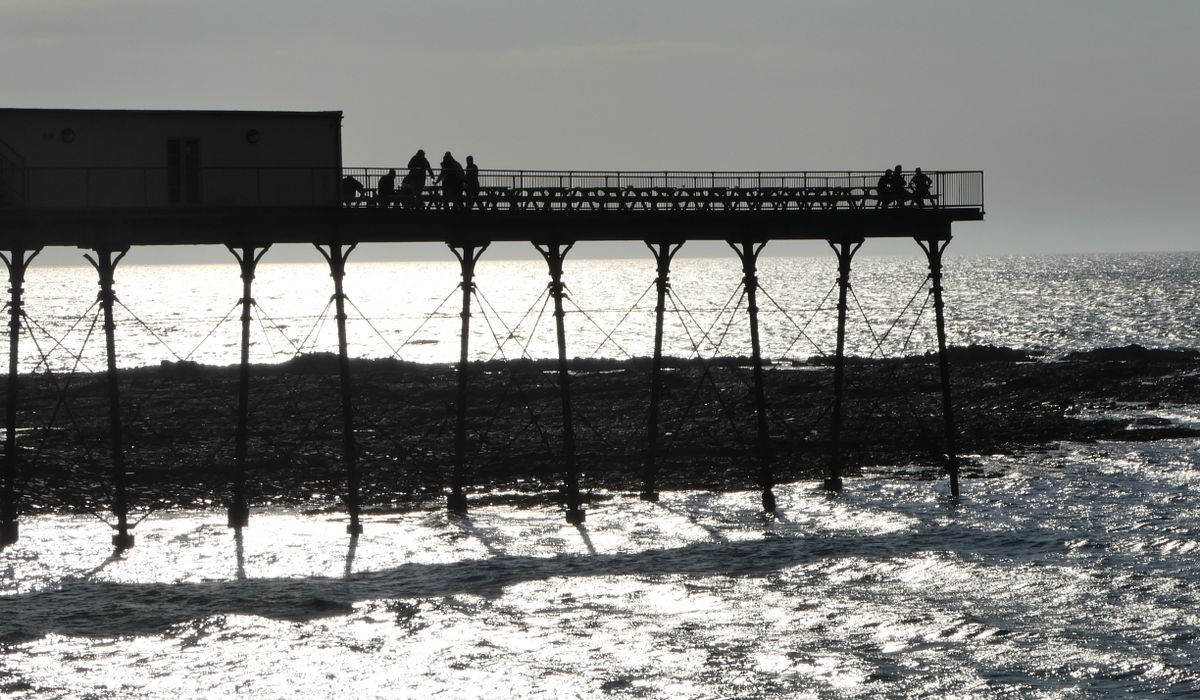
A good traditional resort is walkable in the literal sense. Look for a flat, level promenade running alongside the beach, which makes all the difference with pushchairs, wheelchairs, scooters and grandparents in tow. Victorian and Edwardian resorts tend to do this well, with long seafronts, regular benches and a pier to break up the walk.
Check what sits at either end: a harbour, a cliff railway, a bandstand, a boating lake or a miniature railway can each fill half a day. A town centre within ten minutes of the seafront helps with forgotten sun hats and quick supplies.
Plan for the rain before you need to
British weather being what it is, the indoor offer matters as much as the beach. The best resorts have wet-weather fallbacks within a short drive: an aquarium, a maritime museum, an indoor pool with a flume, soft play or a cinema. Seafront arcades are fine for an hour but get expensive fast, so treat them as a treat rather than a plan.
- Check opening days out of season — many attractions shut between October and Easter.
- Look for an indoor pool, whether at the hotel or a public leisure centre nearby.
- Hands-on museums with boats to climb on hold attention far longer than glass cases.
- Keep one day unbooked so you can move with the forecast rather than against it.
Think about the last hundred metres
The distance from car to sand decides whether a day feels easy or exhausting. Ask where you will park, what it costs and how far you will carry everything. Seafront parking is often restricted, seasonal or permit-only, so a resort with a sensible park-and-ride or a long-stay car park a few streets back is worth more than it sounds.
If you are staying over, position beats star ratings. A self-catering flat two streets from the beach beats a smarter hotel a mile inland when you are making three trips a day with wet swimmers. Lift access, a bath as well as a shower and somewhere to dry towels all earn their keep.
Tides, wind and the small print
Learn to read a tide table before you go. Tidal ranges vary enormously: the Bristol Channel and parts of the north-west see huge differences between high and low water, while some sheltered eastern bays barely change. Note the daily high tide times, and remember that the safest swimming is usually the hours either side of high water on a lifeguarded beach.
Wind direction shapes a day as much as temperature. A breezy north-easterly can make a warm afternoon feel raw, and onshore winds push waves and jellyfish towards the shore. Pack a windbreak, light layers and rash vests — British sea temperatures rarely climb above a bracing 17°C even in August.
Match the resort to your family's ages
Babies and toddlers do best with sand, shallow water, flat promenades and a short walk back to base. School-age children want rock pools, crabbing, a pier and somewhere to burn energy when the tide is in. Teenagers prefer resorts with a proper town, independent cafés, a cinema or bowling and enough going on in the evening to feel like they have gone somewhere.
Mixed-age families should prioritise variety over perfection. A resort with a sandy bay, a harbour, a decent high street and one good indoor attraction will keep everyone reasonably happy — and leave you with the thing you came for: a few unhurried hours watching the tide come in.
tag: Family Breaks

James Ashworth Author
Discover independent shops, marshland views and wide beaches in north Norfolk towns that remain peaceful outside the busiest summer weeks.
YOU MAY ALSO LIKE

A Guide to Quiet Coastal Towns in North Norfolk
Sep 22
10Pack swimwear, a robe, comfortable sandals and minimal toiletries, because most spa hotels provide towels, slippers and essential shower products.
read more
What to Pack for a Weekend at a British Spa Hotel
Sep 19
10Weigh up kitchen freedom, pet policies and dining options to decide whether a cottage or hotel suits your rural break better.
read moreSeaside Towns
-

ERRIC CATONA
Use rail links and local buses to reach historic houses, moorland viewpoints and market towns without moving your main luggage.
May 19, 2016 at 5.12 pm
Reply
ERRIC CATONA
Start with short cliff sections that offer easy gradients, regular benches and nearby cafés, then build confidence before attempting longer routes.
May 19, 2016 at 5.12 pm
Reply -
ERRIC CATONA
Look for off-season midweek rates, new openings and country house hotels near stations to enjoy four-star comfort without central London prices.
May 19, 2016 at 5.12 pm
Reply
Spa Retreats
Your email address will not be published.